"FOR THE MOTHERLAND"
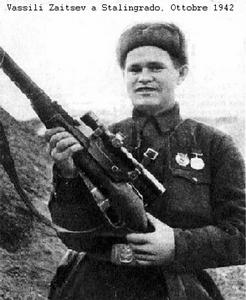 Vassili Zaitsev
 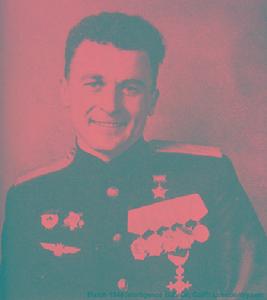 Vassili Zaitsev
 Vassili Zaitsev:好萊塢電影《兵臨城下》中的主人翁瓦西里·柴瑟夫(Vasilly Grigoryevich Zaitsev)的原型。
史達林格勒戰役-城中巷戰
為了增強史達林格勒守軍的鬥志,史達林下達了禁止城中居民撤離該城的命令。婦女和兒童們被召集起來修建防禦工事。8月23日,德軍發動了大規模的空襲,造成了一場火焰風暴,數以千計的市民死於不斷蔓延擴大的火區中,史達林格勒變成了一片瓦礫場。城中80%的居住區被摧毀。在城中進行最後抵抗的守衛任務落到了第1077 AA部隊的肩上。這支部隊中有許多沒有受過訓練的年輕婦女志願兵。儘管城中的部隊無法得到友軍的支援,但是這支部隊中的射擊手仍然頑強地堅守在崗位上,並且對德軍的先鋒部隊進行了有效的阻擊。第16裝甲師團不得不與1077部隊短兵相接,直至紅軍的全部37個炮兵中隊都被消滅或擊潰。到了8月底,B軍群終於到達了史達林格勒北側的伏爾加河岸,而且開始準備渡河南下。在蘇聯防禦的最後階段,蘇軍只能依靠城中非軍事工廠的工人組成的“工人民兵”來進行抵抗。坦克在源源不斷地生產出來,但是只能由工廠的工人志願兵駕駛。這些坦克往往直接從兵工廠的生產線上開到了戰鬥前線,甚至來不及塗上油漆和安裝射擊瞄準鏡。
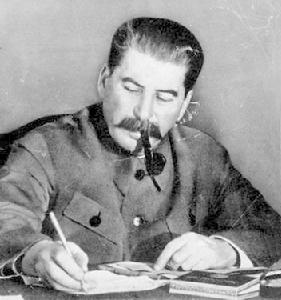 史達林
史達林到了1942年9月1日,蘇軍只能冒險渡過伏爾加河來供給己方的部隊。在滿是瓦礫和廢墟的城中,蘇聯第62方面軍正在頑強抵抗,他們利用每一座民房和工廠進行艱苦的巷戰。 城中的戰鬥異常殘酷艱難。史達林在1942年7月27日發布的第227號令規定,凡是不服從命令而離開戰鬥崗位或者撤退的軍人都將被迅速擊斃。其口號就是“決不後退一步!”。攻入城中的德軍遭到了沉重的打擊,死傷人數不斷增加。儘管德軍對伏爾加河東岸進行頻繁的轟炸,但是蘇軍還是從那裡得到了不斷的補給和支援。剛剛趕赴城中的紅軍戰士的平均存活時間不超過24個小時。德軍的主要戰術是各兵種聯合作戰,非常重視步兵、工程部隊、炮兵和空軍的地面轟炸的協調。為了對抗這種戰術,蘇軍指揮官採取了貼身緊逼的策略,儘量將己方的前線與德軍貼近。這樣導致了德軍的炮兵部隊無法發揮遠程攻擊的優點。在城中的每條街道,每座樓房,每家工廠內都發生了激烈的槍戰。德軍把這種看不到敵人的城市防禦戰稱為“鼠戰”(德語:Rattenkrieg),甚至開玩笑說“即使我們占領了廚房,仍然需要在客廳進行戰鬥。”
在城中的制高點,一座名為馬馬耶夫岡的小山丘上,發生了最為殘酷的戰鬥。兩方軍隊不斷地交替占領這片高地。蘇軍在一次反攻中,竟然在一天之內犧牲了 1萬名士兵。在一個大糧食倉庫里,兩軍的士兵非常接近,甚至能夠聽到對方的呼吸聲。經過數個星期的苦戰,德軍不得不從這個倉庫撤走。在城中的另一個部分,由揚科夫·巴甫洛夫指揮的一個小分隊占據了城中心的一座公寓樓,並頑強地進行抵抗。士兵們在大樓附近埋設了大量地雷,並在視窗安設了機槍,還將地下室的隔牆打通以便通訊。這座頑強的堡壘後來被蘇聯人驕傲地稱為“巴甫洛夫大樓”。
由於德軍無法看到戰鬥結束的跡象,便開始調遣包括600毫米的迫擊炮等重裝甲部隊開入城內。然而在伏爾加格東岸的蘇聯火炮部隊將德軍置於其炮火籠罩之下。而城中的紅軍防禦部隊仍然利用廢墟進行戰鬥。由於城內布滿了高達數米的瓦礫堆和廢棄建築,德國的坦克部隊毫無用武之地,而且即使坦克能夠前進,也會遭遇在樓頂的蘇軍反坦克武器。
此外,蘇聯的狙擊手非常成功地利用廢墟作為掩體,給德軍造成了極大傷亡。最為成功的一名狙擊手Zaitsev到11月20日為止已經擊斃了224個敵人。而日後成為好萊塢電影《兵臨城下》中的主人翁瓦西里·柴瑟夫(Vasilly Grigoryevich Zaitsev)的原型。另外一名狙擊手也創造斃敵149人的紀錄。
對於斯大林和希特勒來說,史達林格勒戰役都是事關成敗的關鍵一戰。蘇軍指揮部將戰略重點從莫斯科轉移到了伏爾加河地區,並且調動了全國所有的空中力量支援史達林格勒。兩方部隊的指揮官都承受著巨大的壓力。德軍的指揮官保盧斯得了眼部肌肉痙攣的疾病,而崔可夫也在不見日光的地下室司令部也忍受著濕疹的病痛,以至於不得不將自己雙手完全包紮起來。
 Vassili Zaitsev
 經過3個月血流成河的戰鬥,德軍終於在11月份緩慢地推進到了伏爾加河岸,並且占領了整座城市的80%地區,將留守的蘇聯軍隊分割成兩個狹長的口袋狀。此外,伏爾加河開始結冰,導致蘇聯不能再通過船運送補給品給城中守軍。儘管如此,馬馬耶夫高地附近的戰鬥和北部城區的工廠地帶的戰鬥依然非常激烈。其中,紅色十月工廠、拖拉機廠和街壘工廠的戰鬥為全世界所知曉。當蘇聯士兵與德軍進行槍戰的同時,工廠內的工人就在側旁修復損壞的坦克和其他武器,有的時候甚至就直接在戰場上修理武器。
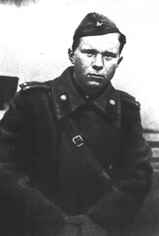 Vassili Zaitsev
 The most famous sniper of them all, although not the highest scorer, was Zaitsev in Batyuk's division, who, during the October Revolution celebrations, raised his tally of kills to 149 Germans. (He had promised to achieve 150, but was one short.) The highest scorer, identified only as `Zikan', killed 224 Germans by 20 November. For the 62nd Army-, the taciturn Zaitsev, a shepherd from the foothillsof the Urals, represented much more than any sporting hero. News of further additions to his score passed from mouth to mouth along the front.
Zaitsev, whose name means hare in Russian, was put in charge of training young snipers, and his pupils became known as zaichata, or `leverets'. This was the start of the `sniper movement' in the 62nd Armv. Conferences were arranged to spread the doctrine of `sniperism', and exchange ideas on technique. The Don and SouthWest Fronts took up the `sniper movement', and produced their star shots, such as Sergeant Passar of 21st Armvy. Especially proud of his head shots, he was credited with 103 kills.
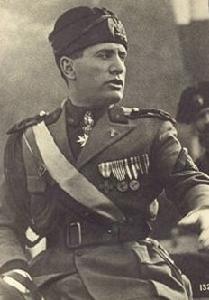 Vassili Zaitsev
 Non-Russian snipers were singled out for praise: Kucherenko, a Ukrainian, who killed nineteen Germans, and an Uzbek from 169th Rifle Division who killed five in three days. In 64th Army, Sniper Kovbasa (the Ukrainian word for sausage) worked from a network of at least three trenches, one for sleeping and two fire trenches, all connected. In addition, he dug fake positions out to the side in front of neighbouring platoons. In these he installed white flags attached to levers, whigh he agitate from a distance with cords. Korbasa proudly claimed that as soon as the German saw one of his little white flags waving, he could not help raising himself in his trench to take a better look, and shout `Rus, , komm, komm!' Kovbasa then got him from an angle. Damelovin r 61st Rifle Regiment also dug a false trench, and fashioned scarecrow figures Nvith bits of Red Army equipment. He then waited for inexperienced German soldiers to shoot at them. Four of them fell victim. In 13th Guards Rifle Division Senior Sergeant Dolvinin, installed in an attic, picked off the crews of an enemy machine-gun, and a field gun. The most prized targets, howeverr, remained German artillery spotters. `For two days [Corporal Studentov] tracked an observation officer and killed him Nvith the first shot.' Studentov vowed to raise his score to 170 Germans from 124 by the anniversarv of the Revolution.
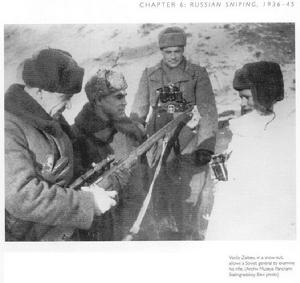 Vassili Zaitsev
 All the star snipers had their own techniques and favourite hiding places. `Noble sniper' Ilin, who was credited with `185 Fritzes', sometimes used an old barrel, or pipe, as a hide. Ilin, a commissar from a Guards rifle regiment, operated on the Red October sector. `Fascists should know the strength of weapons in the hands of Soviet supermen,' he proclaimed, promising to train ten other snipers.
Some Soviet sources claim that the Germans brought in the chief of their sniper school to hunt down Zaitsev, but that Zaitscv outwitted him. Zaitsev, after a hunt of several days, apparently spotted his hide under a sheet of corrugated iron, and shot him dead. The telescopic sight off his prey's rifle, allegedly Zaitsev's most treasured trophy, is still exhibited in the Moscow armed forces museum, but this dramatic story remains essentially unconvincing. It is worth noting that there is absolutely no mention of it in any of the reports to Shcherbakov, even though almost every aspect of `sniperism' `vas reported with relish.
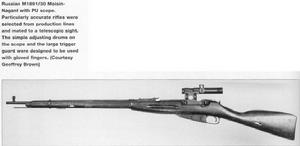 (圖)Vassili Zikan
Vassili Zaitsev - 400 kills (149 Kills at the battle of Stalingrad)
