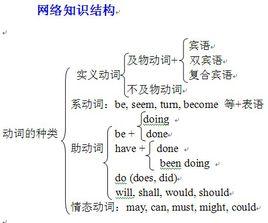
雙賓語
由直接賓語和間接賓語組成。直接賓語是謂語動詞的承受者,間接賓語表示謂語動作的方向(對誰做)或動作的目標(為誰做),間接賓語緊接在謂語動詞後,但它在句子中不能單獨存在,並且能和直接賓語組成雙賓語。
E.g:
He gave me a book.
他給我一本書(me作間接賓語,a book作直接賓語)
例子
1直接賓語可由名詞、代詞、數詞、不定式充當。間接賓語是指動詞的行為所指向的人。間接賓語由名 詞或賓格代詞充當。間接賓語一般放在直接賓語之前,但有時當直接賓語比間接賓語短得多時,或當我們 特彆強調間接賓語時。
E.g:
Remember to write us a letter please.
請記著給我們寫信。
I will return the book to you tomorrow.
我明天還你書。
Fetch a chair for me, will you?
給我取一把椅子好嗎?
2、當間接賓語為人稱代詞,同時直接賓語也是人稱代詞時,也將間接賓語放在直接賓語之後。
E.g:
I have found the book and give it to her.
我找到了那本書,並給了她。
3、直接賓語只能用在某些動詞的後面,常見的這類動詞有:
give, show, send, bring, offer, read, pass, lend, leave, hand, tell, return,
write, pay, point, play, save, spare, order, sing, find等。
E.g:
The teacher gave us a lot of homework.
= The teacher gave a lot of homework to us.
老師留給我們很多作業。
He bought flowers for his girlfriend.
= He bought his girlfriend flowers.
他給女友買花。
He threw the ball to me, and I caught it.
= He threw me the ball, and I caught it.
他把球扔給我,我接住了。
