內容簡介
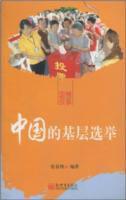
《中國的基層選舉(英文版)》內容簡介:The word "election" has long been used in China.Huainanzi, a philosophical classic of the Han Dynasty (206BC-AD 220), even says in the Bing Lue chapter that elec-tions can help win the hearts of virtuous men.
Strictly speaking, however, under 2,000 years of feu-dal despotism, elections in China were nothing but a meansfor the ruling class to appoint their own officials, as pertheir own whims and convenience. Although democraticideas had infiltrated into the country from the West, theyhad had little impact.
Regular, impartial elections in China can thus be saidto have begun after the founding of the People's Republicof China in 1949, and to have sprouted at the grassrootslevel, in the rural areas. The reform and opening up policyinitiated in the 1970s brought tremendous changes toChina's political, economic, and cultural scenarios.Grassroots elections also made their debut in China duringthe same period. The election of the villagers' committee,a product of China's grassroots election, captured world-wide attention when it was first introduced. In fact the newelections have not only facilitated the development ofChina's political system at the grassroots level, but alsoimproved the strength and integrity of the grassroots elec-tion system.
目錄
Preface
Grassroots Election in
Rural Areas
Evolution of the Villagers' Committee
Election System
The First Autonomous Village
The Hometown of "Hai Xuan"
Urban Community Elections
Direct Election Reform in the Urban
Community
Direct Election of the Residents'
Committee in Jiudaowan Community
Direct Election in Haishu, Ningbo
Grassroots People's Congress
Election
Development and Reform
Direct Election of Township
Heads
Reform in Electing Township Heads
Direct Election in Buyun Township
Conclusion
